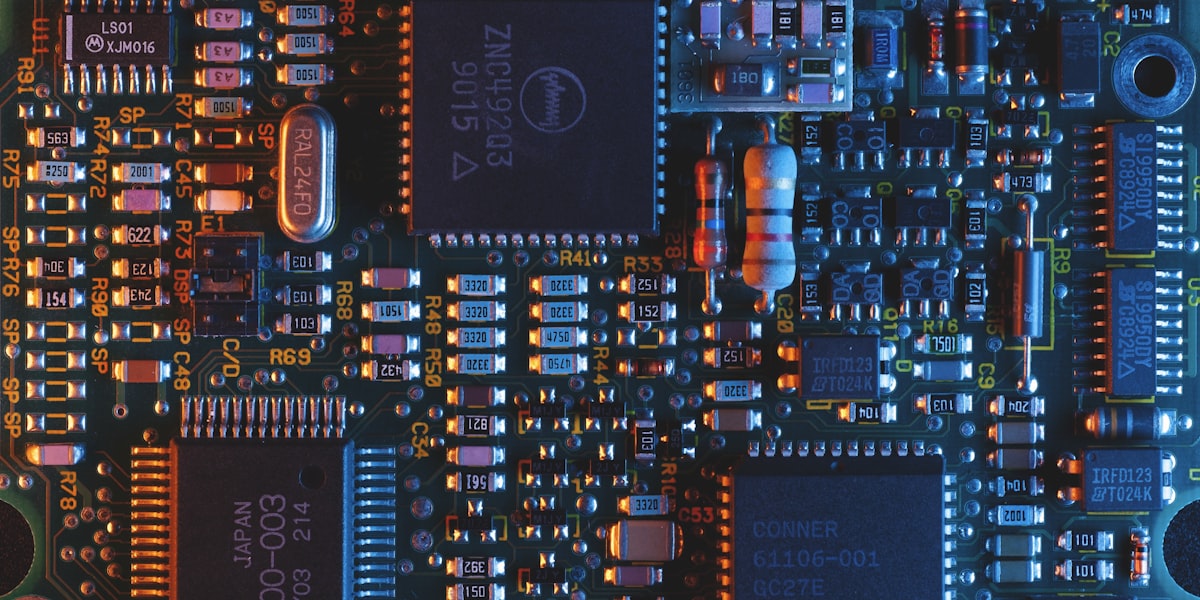
The Semiconductor Supply Chain: Why Taiwan Still Keeps the World Awake at Night
TSMC fabricates 90% of the world's most advanced chips on a single island. We map the geopolitical risks and the race to diversify.
Jul 10, 2025·Aperta Res Research
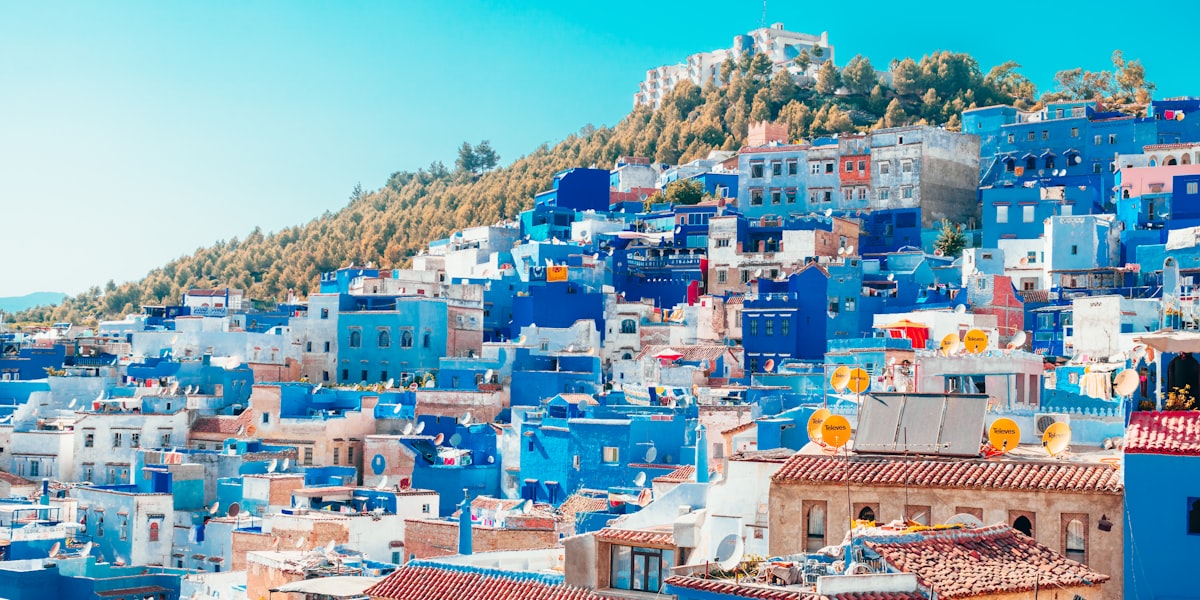
Morocco is spending more on infrastructure right now than at any point in its history. The reason has a deadline: the 2030 FIFA World Cup.
The IMF concluded its 2026 Article IV consultation this week, projecting Morocco's GDP growth at 4.4% . That number is driven almost entirely by investment spending. Bloomberg reported that Morocco is planning $4 billion in hotel construction and renovation across six host cities, its largest hospitality push ever . The high-speed rail line from Casablanca to Marrakech, a $3.8 billion project, is progressing toward a 2030 completion date .
French companies are already positioning to capture contracts. Morocco World News reported that France is actively rallying its construction and infrastructure firms to secure investment opportunities tied to the tournament .
The IMF has endorsed the trajectory. Its board noted that Morocco is "sustaining above-average growth driven by large-scale infrastructure investments and structural reforms" .
| Date | Development | Value | Source |
|---|---|---|---|
| Mar 20 | Morocco unlocks solar self-consumption market | Regulatory | PV Magazine |
| Mar 21 | Marsa Maroc announces $2.1B port expansion through 2030 | $2.1B | Morocco World News |
| Mar 21 | Dakhla Atlantique port positioned as Africa's logistics gateway | Strategic | North Africa Post |
| Mar 23 | IMF concludes Article IV, projects 4.4% GDP growth | 4.4% GDP | IMF |
| Mar 24 | High-speed rail extension to Marrakech progresses for 2030 WC | $3.8B | WeBuild |
| Mar 24 | France rallies to secure investment opportunities in Morocco | Multi-sector | Morocco World News |
| Mar 24 | Noor Atlas 305MW solar programme secures funding | 305MW | Africa Business Insider |
| Mar 26 | Morocco charts $4B hotel growth ahead of World Cup 2030 | $4B | Bloomberg |
Source: IMF, Morocco World News, PV Magazine
Morocco's infrastructure push extends far beyond football stadiums. The country is making a strategic bet on becoming the dominant logistics hub between three continents.
Marsa Maroc, the country's main port operator, announced a $2.1 billion investment programme through 2030 . The money will expand capacity across Morocco's Atlantic and Mediterranean ports, reinforcing a network that already handles a significant share of Africa-Europe trade.
Tanger Med, on the Strait of Gibraltar, has become the largest container port in the Mediterranean by throughput . Further south, the Dakhla Atlantique port is positioning Morocco's Atlantic coastline as a logistics gateway connecting Sub-Saharan Africa, Europe, and the Americas .
The timing is not accidental. The Iran war and the Strait of Hormuz disruptions are accelerating global supply chain diversification. A think tank analysis from ISPI noted that the Gulf fractures are creating "a strategic moment for African nations that sit at the crossroads of trade routes" . Morocco is at the top of that list.
Morocco is building one of Africa's most ambitious renewable energy programmes alongside its physical infrastructure.
On March 20, PV Magazine reported that Morocco passed new regulations enabling solar self-consumption, unlocking a market that allows businesses and households to generate and consume their own solar power . Four days later, Morocco secured financing and signed power purchase agreements for the 305MW Noor Atlas solar programme .
The country targets 52% of installed electricity capacity from renewables by 2030 . That is not an aspiration statement from a government press release. Morocco has the Noor-Ouarzazate complex, one of the world's largest concentrated solar power plants, already operational. The new self-consumption regulations and the Noor Atlas expansion are additions to an existing base.
The energy transition serves a dual purpose. Domestically, it reduces Morocco's dependence on imported fossil fuels at a moment when oil prices are elevated by the Iran conflict. Strategically, it positions Morocco as a potential green hydrogen exporter to Europe, which is actively seeking non-Russian, non-Gulf energy alternatives.
Morocco's infrastructure ambition is real. So are the risks.
The Moroccan government projects GDP growth above 4% annually through 2029 . That projection assumes sustained foreign investment, stable construction costs, and European demand for Moroccan exports and tourism. The IMF endorsement provides institutional cover , but institutional endorsements do not build hotels on time.
The Iran war creates a paradox for Morocco. On one hand, supply chain diversification is redirecting trade and investment toward Morocco's ports and logistics network . On the other hand, the war is pushing energy costs higher, feeding European inflation, and raising the risk of a recession in Morocco's largest export market.
Construction cost inflation is the most immediate threat. Steel, cement, and energy are all more expensive in March 2026 than they were when these projects were budgeted. A $4 billion hotel programme becomes a $5 billion programme if materials costs rise 20%. No one has publicly updated the cost estimates.
Execution risk is the other constraint. Morocco has never attempted this many large-scale projects simultaneously. The 2030 deadline is fixed. FIFA does not grant extensions.
Your feedback shapes the analysis we publish. What interests you most? What would you like to see more of? Let us know.
Your feedback is sent privately to our editorial team and is never displayed publicly.
Enjoy this analysis? Help keep it independent and ad-free.
Become a SupporterTSMC fabricates 90% of the world's most advanced chips on a single island. We map the geopolitical risks and the race to diversify.
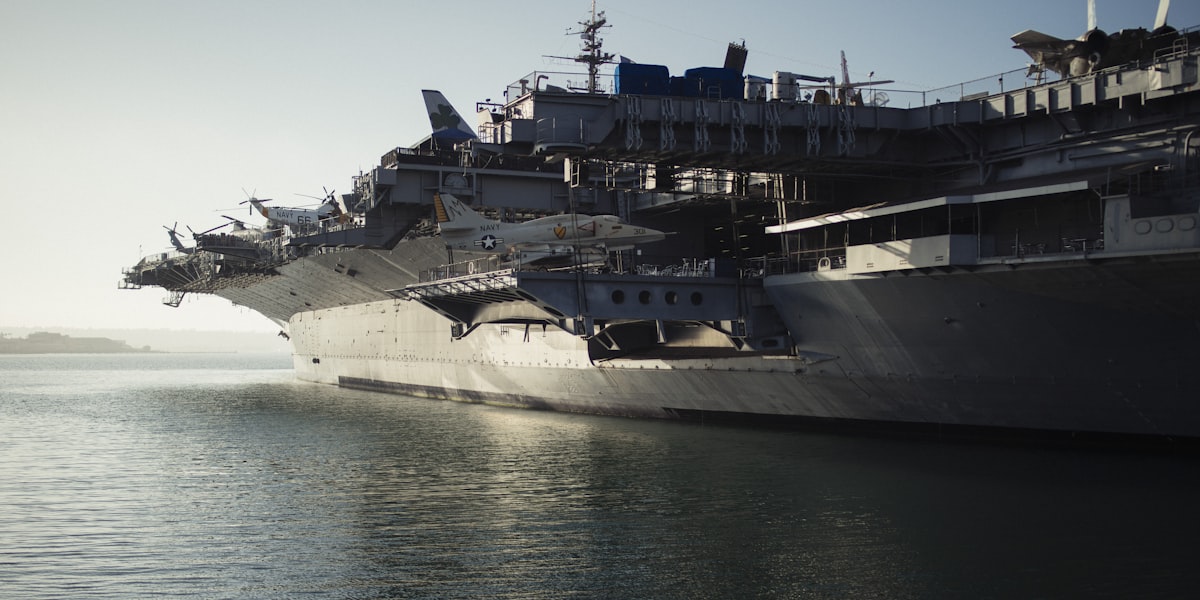
Iran's nuclear breakout time has collapsed to days. Its proxy network is gutted. A hawkish US administration is back. Here is what actually happened and what it means.