The Hormuz Chokepoint: How the Iran War Threatens the Global Economy
March 28, 2026·Aperta Res Research·
Share
A War That Changed the Map
On February 28, 2026, the United States and Israel launched nearly 900 coordinated strikes in 12 hours against Iranian military infrastructure, nuclear sites, and leadership targets . Supreme Leader Ali Khamenei was among those killed .
Iran responded by striking at least six U.S. military facilities across the Gulf . Hezbollah opened a second front from Lebanon. The conflict has caused significant casualties on multiple sides, with estimates exceeding 3,200 deaths across the region .
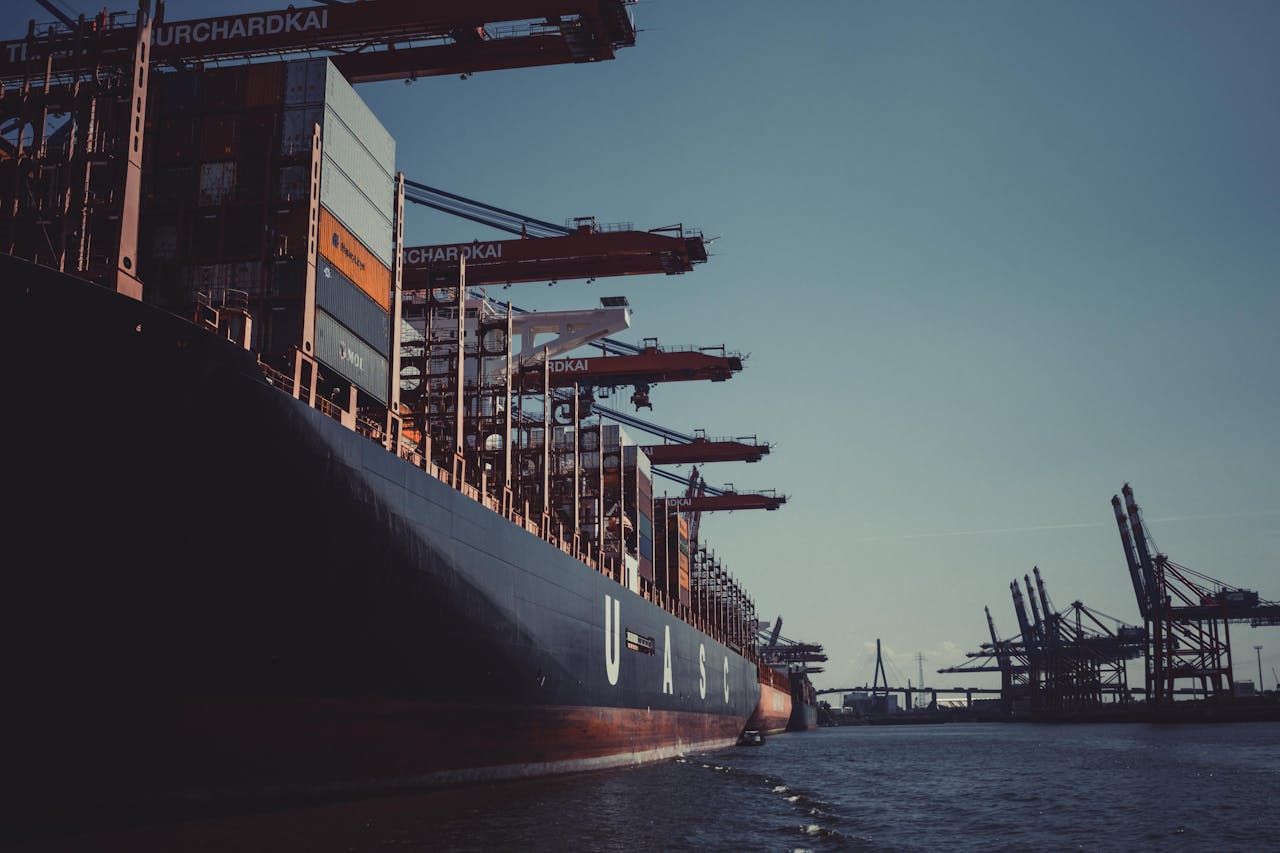
On March 4, Iran declared the Strait of Hormuz "closed" and began targeting commercial vessels attempting transit . The U.K. Maritime Trade Operations Centre reported 10 attacks on ships in the first four days . U.S. military planners had not fully anticipated Iran's willingness to take this step .
What began as a targeted military operation has expanded into a multi-front conflict with no clear exit. The fighting continues. The economic damage compounds daily.
The World's Jugular
The Strait of Hormuz is 21 miles wide at its narrowest point, with two shipping lanes each roughly two miles across. In 2025, approximately 20 million barrels per day of crude oil and petroleum products transited this corridor, nearly $600 billion in annual energy trade . That volume represents roughly 20% of global seaborne oil trade and one-fifth of total world oil consumption .
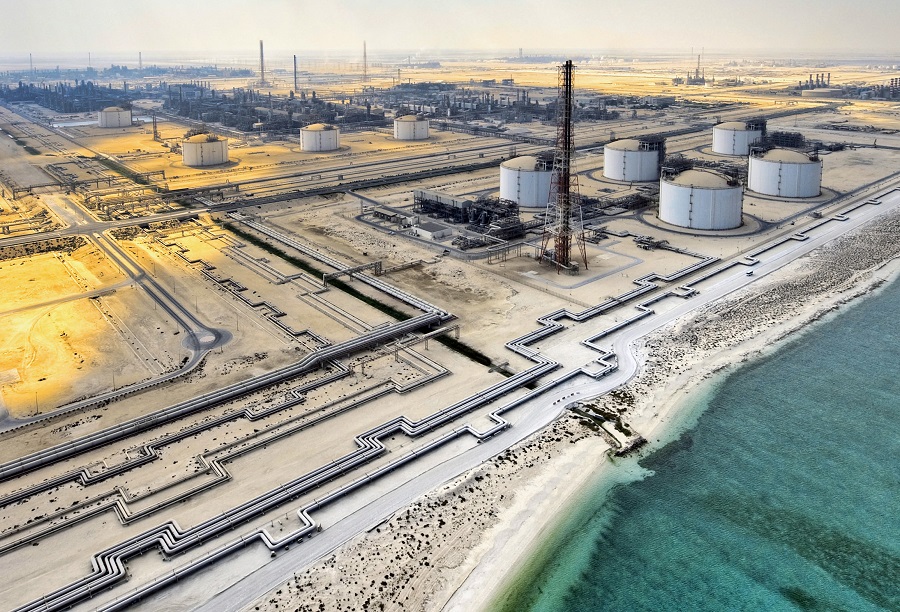
Oil is not the full picture. About 20% of global liquefied natural gas trade passes through Hormuz, most of it from Qatar destined for Asia . One-third of the world's fertiliser trade normally transits the strait, with Persian Gulf states accounting for 34% of global urea exports . The strait also carries metals, petrochemicals, and container traffic routed through the hub port of Dubai .
Since March 4, the strait has been functionally impaired. Traffic has dropped approximately 90%, from roughly 138 vessels per day to near zero . Backlogs now exceed 400 vessels in the Gulf of Oman . Brent crude surged roughly 10% after the initial strikes, then pushed consistently above $100 as the market priced in sustained disruption .
Iran does not need to physically seal the waterway. The credible threat of attack is itself enough to halt commercial traffic . No insurer will underwrite the risk at affordable rates. No shipowner will order a transit into a declared war zone. Geography, in this case, is a weapon.
The Global Economic Shockwave
The OECD released its interim economic outlook on March 26, and the numbers are stark. U.S. headline inflation is now projected to hit 4.2% in 2026, up 1.2 percentage points from the December forecast of 3% . G20 inflation is projected at 4.0%, revised up from 2.8% .
Global GDP growth is forecast at 2.9% for 2026, down from 3.3% in 2025 . Before the war, preliminary data had indicated a potential 0.3 percentage point upward revision. The conflict erased that upgrade entirely .
The Dallas Federal Reserve modeled the oil price trajectories under three closure scenarios. A one-quarter closure adds $63 per barrel to WTI in Q2 2026 and lowers global real GDP growth by an annualized 2.9 percentage points . The price spike fades quickly once the strait reopens. But if the closure extends to two quarters, the surge persists at $91 per barrel through Q3 before easing. At three quarters, the price increase reaches $118 per barrel by Q4 2026 and takes more than a year to unwind .
In an adverse scenario modeled by the OECD, where oil reaches $135, global inflation could rise by an additional 0.9 percentage points in 2027 .
Europe faces compounding pressure. The continent was already paying elevated energy costs from the ongoing Russian disruption to gas supplies. The OECD downgraded UK growth from 1.2% to 0.7%, the steepest cut among major economies, with inflation forecast at 4% . The UK's heavy reliance on gas-fired power makes it especially vulnerable . Germany and Italy also face elevated recession risk from their large manufacturing sectors' exposure to costlier energy .
Asia Pays the Highest Price
The asymmetry at the heart of this crisis is geographic. The United States imports relatively little oil through Hormuz. Asia bears an overwhelming share of the burden .
More than 80% of oil and LNG shipped through the strait in 2024 went to Asian markets, with China, India, Japan, and South Korea the primary destinations . Japan relies on the Middle East for roughly 90% of its crude oil imports, most routed through Hormuz . South Korea sources about 70% of its crude from the Middle East and routes more than 95% of that through the strait .
South Korea has already activated a 100 trillion won (approximately $68 billion) market-stabilization programme in response to war-related volatility . LNG prices in Asia have surged.
The IEA moved to cushion the blow. On March 11, it announced a coordinated release of 400 million barrels from member countries' emergency reserves, the largest in its history . IEA members hold more than 1.2 billion barrels of public emergency stocks and roughly 600 million barrels of obligated industry stocks . The 400-million-barrel release is equivalent to approximately 20 days of normal Hormuz flow. A buffer, not a solution.
The deeper structural risk is that this disruption accelerates a permanent reorientation of Asian energy sourcing away from the Gulf. That would reshape trade patterns, currency flows, and alliance structures for decades.
The Next Front
On March 28, Yemen's Houthi rebels launched their first ballistic missiles at Israel since the war began . Houthi Brigadier General Yahya Saree confirmed the strike targeted "sensitive Israeli military sites" in southern Israel .
The Houthis had held back for a month, confining themselves to rhetorical solidarity with Tehran. Their entry into the conflict raises a scenario with no modern precedent: two of the world's most critical maritime chokepoints, the Strait of Hormuz and the Bab al-Mandab strait off Yemen, simultaneously threatened.
If the Houthis resume attacks on Red Sea shipping, as they did during the Gaza war in 2023-2024, the compounding effect on global trade would be severe. Suez Canal traffic, already depressed from the previous disruption, would face renewed risk. Combined with the Hormuz closure, a significant share of global energy and container shipping would be rerouted or halted entirely.
The Atlantic Council observed that Iran has demonstrated how a strategically positioned country can create global economic shocks at relatively low cost . The broader implication is structural: any state positioned along a critical maritime chokepoint can leverage geography to exert outsized economic pressure on the global system.
Ceasefire talks remain stalled. Trump's special envoy Steve Witkoff has spoken of a 15-point deal, but Iran's position has hardened. The question is no longer whether this war will damage the global economy. The question is how much damage the world is willing to absorb before a resolution is forced.
Achraf Rachidi
Independent researcher. Aperta Res was born from a simple frustration: too much noise, not enough signal. The goal is transparent, data-grounded analysis that cuts through complexity.
Qatar's helium production shutdown has removed a third of global supply. The gas is irreplaceable in semiconductor manufacturing. The shortage is now reaching chip fabs, with consequences that will eventually arrive in consumer prices.