Where the AI Money Really Flows: Hardware Giants, Model Makers, and the Battle for Profit
July 20, 2025·Aperta Res Research·
Share
The Trillion-Dollar Question
The AI gold rush has minted a new class of corporate giants. NVIDIA's market capitalization surpassed $4.9 trillion in September 2025, making it the world's most valuable company. Meanwhile, OpenAI — the firm most associated with the AI revolution in the public imagination — continues to burn through billions with no clear path to profitability.
This paradox tells us something important about where the real money flows in AI.
The Shovel Sellers
In every gold rush, the surest profits go to those selling picks and shovels. In the AI economy, that means hardware — specifically, the GPUs that power model training and inference.
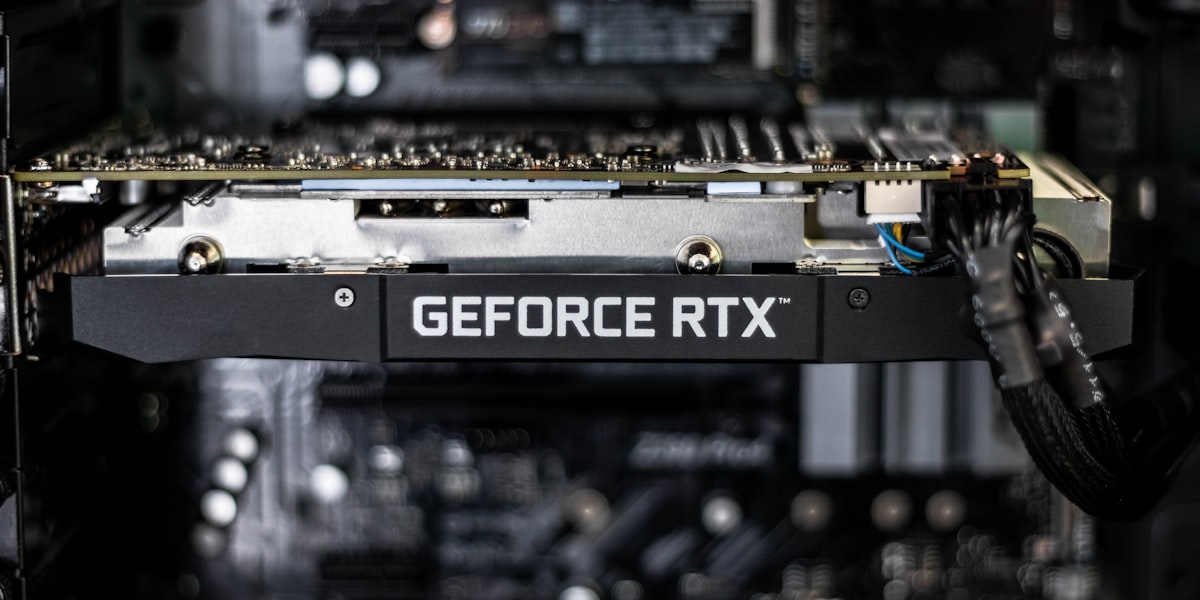
NVIDIA dominates this layer with an estimated 80-90% market share in AI training chips. Their H100 and H200 GPUs have become the essential infrastructure of the AI era, with individual chips selling for $25,000-$40,000 and demand consistently outstripping supply.
"The companies making the most money from AI are not the ones building AI models — they're the ones building the hardware that makes AI possible."
AMD and Intel are working aggressively to capture share, but NVIDIA's CUDA software ecosystem creates a powerful moat. Developers have built a decade of tooling around CUDA, and switching costs remain prohibitively high for most organizations.
The Model Makers
Foundation model companies occupy the most visible but economically precarious layer of the stack. OpenAI, Anthropic, Google DeepMind, and Meta AI are collectively spending tens of billions on training runs, with costs escalating exponentially.
The challenge for model makers is that their product — intelligence — faces rapid commoditization. Open-source alternatives like Meta's LLaMA and Mistral's models compress the premium window for proprietary models from years to months.
NVIDIA's Financial Dominance
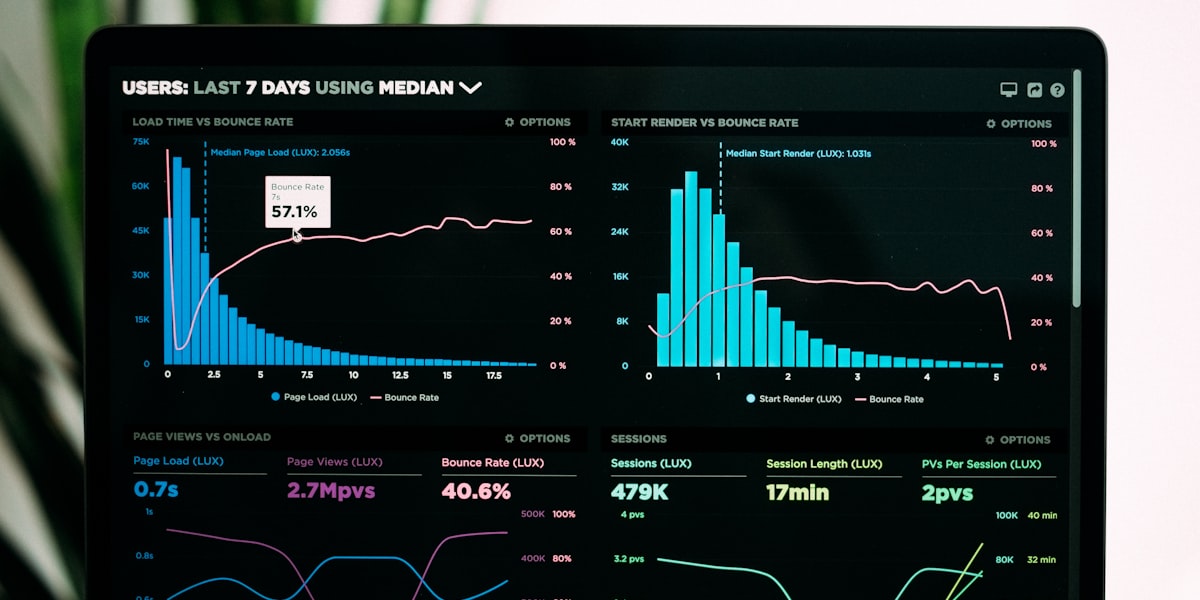
To understand just how dominant NVIDIA has become, look at their quarterly revenue trajectory. No company in the history of semiconductors has experienced this kind of growth curve.
The Application Layer
The third layer — companies building applications on top of foundation models — may ultimately capture the most durable value. Enterprise software companies like Salesforce, ServiceNow, and Adobe are embedding AI into existing workflows with built-in distribution and customer relationships.
Existing customer bases willing to pay incremental premiums for AI features
Domain-specific data that creates defensible moats
Lower capital intensity compared to training foundation models
Recurring revenue models that compound over time
Where Should Investors Look?
The AI investment landscape rewards a barbell strategy: bet on the proven infrastructure providers (NVIDIA, TSMC) who capture value regardless of which models win, and on application-layer companies with deep domain expertise and distribution advantages.
The model layer, for all its excitement, remains the riskiest bet. The winners there will be determined not just by technical capability but by the ability to build sustainable business models around increasingly commoditized intelligence.
Generative AIHardwareSemiconductors
Share
Help us improve
Your feedback shapes the analysis we publish. What interests you most? What would you like to see more of? Let us know.
Please select a rating
Your feedback is sent privately to our editorial team and is never displayed publicly.
Enjoy this analysis? Help keep it independent and ad-free.
OpenAI is guaranteeing PE firms 17.5% returns. Anthropic is building a joint venture with Blackstone. PE offers AI labs a $14 billion shortcut to enterprise adoption. The convergence is accelerating.
PIF is projecting confidence at FII Miami. Mubadala just exited an AI bet at 15x. But an Iranian drone hit an Amazon building in Bahrain, and Politico reports the war has 'freaked people out.' The Gulf's trillion-dollar funds are navigating their most complex moment since 2020.
Stock down 19.6% YTD. BYD outselling Tesla in Europe by 10,000 units. UBS cut its Q1 delivery forecast by 18%. HSBC predicts a 68% collapse. A judge just ruled that boycotting Musk is perfectly legal.